
Disclaimer; This post contains sponsored content. To learn more about advertising and sponsored content on this blog, please see the disclaimer.
Lighting has such an important role to play in our overall health and wellbeing. Yet it’s importance is often overlooked and taken for granted when we’re furnishing our homes or office. We simply pick something that fits in with the aesthetic and hope for the best. However, it’s only as the dark nights start to creep in that we really begin to see how important the correct lighting really is.
“Lack of exposure to natural lighting is known for causing a disruption to our circadian rhythms, which later results in a variety of other physical and mental illnesses.”

Think about it. When the spring arrives and the sun finally appears, we generally begin to feel better. We’re often filled with newfound energy, productivity and the motivation to go out and do something!
In the winter, however, the opposite is evident. In the latter months of the year when the sun sets in the early afternoon, it leaves us with very little else but artificial light to guide our way. Our moods naturally take a slump during this time largely due to the absence of adequate natural lighting. This is when you can expect to see an increase in symptoms of depression, anxiety, and SAD (Seasonal Affective Disorder).
Understanding how poor lighting can impact our mental health can help us to create safe, soothing spaces to counteract the winter blues.
Psychological Effects of Natural Lighting.
We’re fortunate to live in an age where electricity is practically on tap. We can burn artificial lights all day and night provided we can foot the bill. However, although our normal bed-side lamp allows us the freedom to read until late into the night, there’s a catch.
Everyday indoor lighting is associated with lowered levels of melatonin, or the hormone responsible for regulating our Circadian Rhythms. Also known as the body’s natural clock, Circadian Rhythms are responsible for regulating various bodily functions. Even slight disruption can have negative impacts on both our mental and physical health. If the natural rhythm has been under fire for a long period of time it can lead to a variety of illnesses and disorders.
Lack of natural lighting can cause.
- Hormone Imbalances.
- Sleep Disruption.
- Fatigue/Exhaustion.
- Extreme weight changes due to increased/decreased appetite.
- Poor concentration/focus.
- Mood swings.
- Increased irritability.
- Memory issues.
The majority of the above symptoms are interlinked. For example without adequate sleep our moods and appetite can take a hit. This only accelerates the disfunction we’re experiencing in regards to our moods, energy levels, and brain function.
Tips to increase light exposure.
Let in the light!

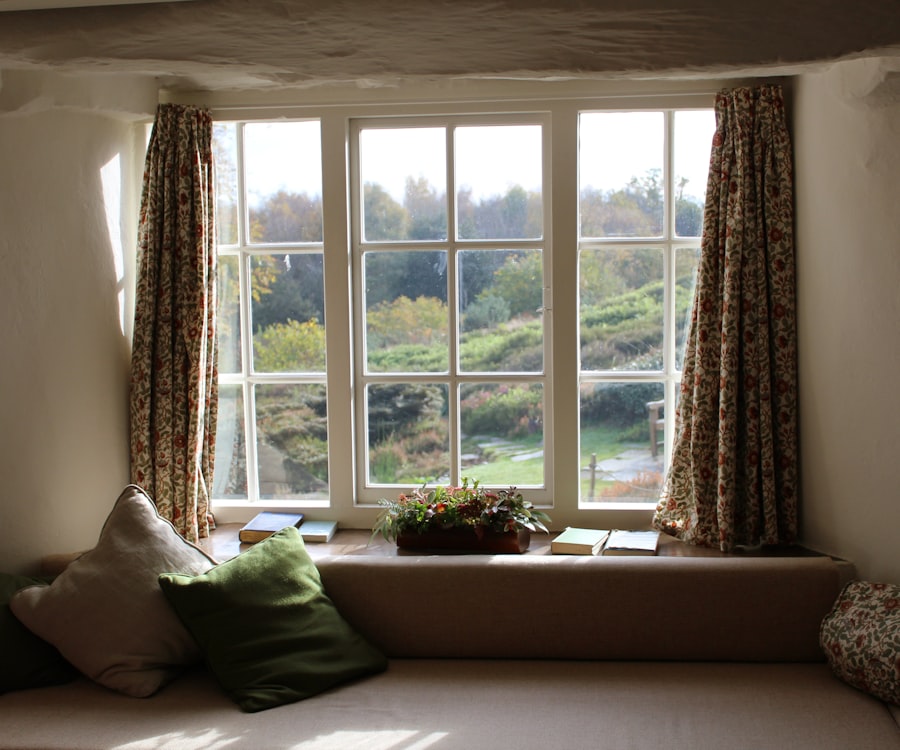
The best way to allow more natural lighting into your home is by introducing more windows. Although this option isn’t always possible, for many homeowners adding additional windows not only helps to brighten things up, but it also helps save on energy costs.
Keeping heating costs low and reducing our carbon footprint is extremely important in the 21st century. Therefore, windows need to be durable, secure and thermally efficient. Aluminium windows possess all of these traits and look stylish while doing it. By opting for aluminium windows you’re not only making way for a brighter future, but you’re also saving on household bills.
It’s a win-win!
Re-decorate;
Sometimes a complete remodel isn’t always within our budget. Luckily there are other ways we can style our homes to allow for more naturally lit spaces. Mirrors are just one of many simple adjustments. They expand the path of the natural light by reflecting it from one surface to another.
When placing your mirror be mindful of its position. If you want to get the most out of your new-found light hack, be sure to place mirrors in the path of the natural sunlight so that they can easily bounce the reflection from one place to another.
Therapy lamps;
Mirrors aren’t the only budget-friendly way we can add light to our homes. Although not technically natural light, light therapy lamps are the next best thing to warding off the winter blues. They simulate sunlight and give off significantly more light than standard bulbs found in the household.
Various regions of Scandanavia have already started using them in classrooms to help combat the lack of sunlight during their winter months. It helps in reducing symptoms of fatigue among students and has also been linked to a reduction in symptoms of depression and SAD.
Read more about Light Therapy: Mayo Clinic.
Use your lunch break wisely;
Instead of sitting in the canteen or at your desk, spend your lunch break outdoors. If possible, take a quick walk, jog, or simply sit outside if you’re brave enough! Even in the winter months, you’re able to get the most of what little sunlight there is, even during working hours.
As a homeowner who struggles with her mental health, I need all the help that I can get. Although my home has great natural lighting, it can always be improved upon by way of structural alterations or choice of decor.
Do you find your moods dipping during the darker months? What do you do, if anything, to combat it?


